
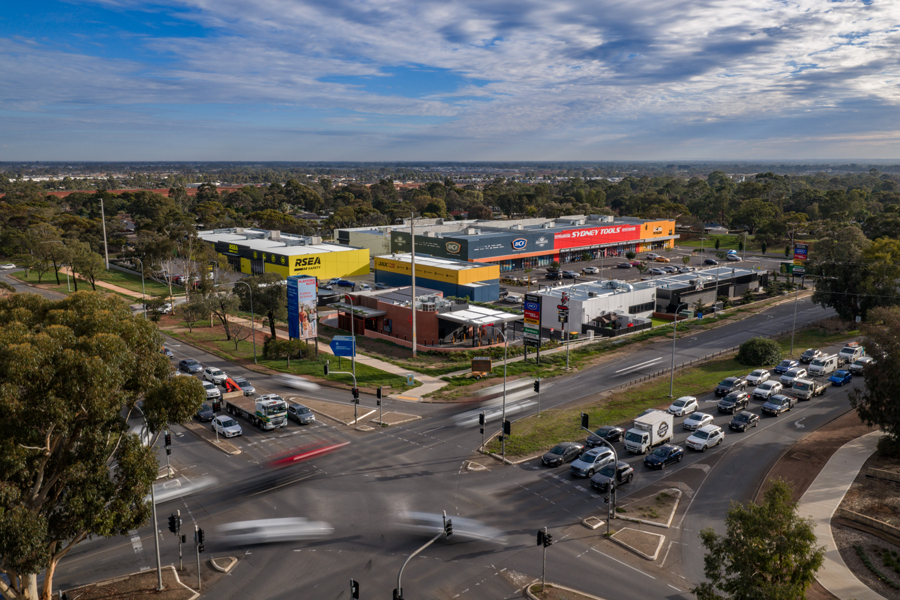
Adelaide’s commercial property market is evolving, but not at the same pace across every location. Some areas continue to perform consistently, while others are emerging quickly off the back of population growth, infrastructure investment and changing expectations from tenants and consumers.
At the same time, the way commercial property development is approached is shifting. The focus is moving away from standalone projects and toward more integrated, experience-driven precincts. Understanding where these trends overlap is key to identifying the next wave of opportunity.
Where Growth Is Happening
Adelaide’s next phase of commercial growth is being shaped by several key corridors:
Northern Growth Corridor
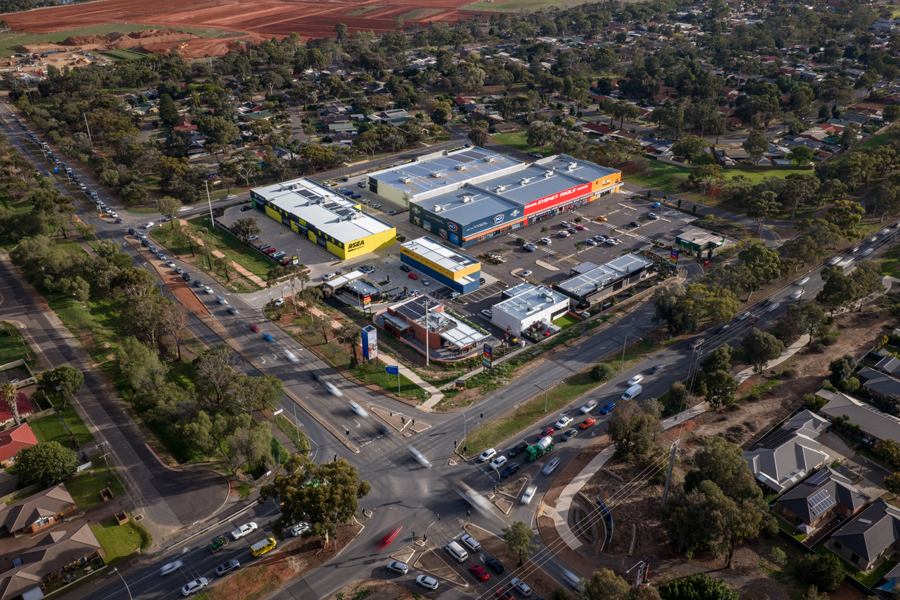
Areas such as Two Wells and the broader northern region are experiencing strong population growth, supported by improved transport links and large-scale residential expansion.
This is driving demand for:
- Retail and convenience services
- Healthcare and allied services
- Dining and everyday lifestyle offerings
These areas remain relatively under-supplied, which creates clear opportunities for well-planned commercial property development and future commercial leasing activity.
Western Corridor and Industrial Expansion
Adelaide’s western corridor continues to benefit from its proximity to major logistics routes, as well as port and airport infrastructure.
Demand is being driven by:
- Industrial and logistics operators
- Trade and service-based businesses
- Large-format retail
This remains one of the most active areas for both commercial property development and leasing in South Australia.
Inner-Ring and Infill Locations
Select inner-metro areas are also evolving, particularly where there is:
- Increased density
- Mixed-use zoning
- Demand for lifestyle-based retail
In these locations, success is less about scale and more about how well developments are integrated into the surrounding community.
From Projects to Precincts
There is a clear shift in how commercial developments are being delivered. In the past, commercial property development often focused on individual assets such as a retail strip, an office building or a standalone tenancy. Whereas many of today’s successful developments are designed as precincts that bring together retail, services, hospitality and community infrastructure. This reflects how people now use space. Convenience, walkability and a sense of connection all play a bigger role in how locations are chosen.
For tenants, this supports stronger foot traffic and more consistent trading conditions, which in turn strengthens long-term commercial leasing outcomes.
What Separates Successful Developments
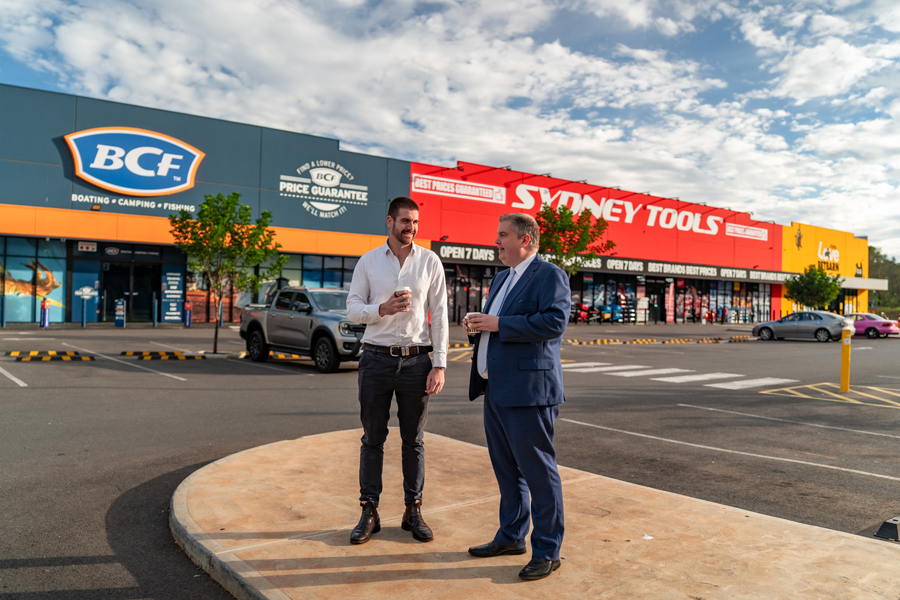
As the market becomes more competitive, the difference between average and high-performing developments is more noticeable. The projects that perform well tend to share a few key traits:
Alignment with Population Growth
Developments located in areas with real population growth are more likely to deliver long-term results.
Thoughtful Tenant Mix
A balanced mix of tenants helps create consistent activity and avoids direct competition between businesses.
Accessibility and Visibility
Ease of access, parking and exposure remain important, particularly in suburban and growth corridor locations.
Long-Term Focus
Successful commercial property development considers how the asset will perform over time, not just at completion.
A More Considered Approach to Development
At Leyton Property, this shift is reflected in how developments are planned and delivered.
This includes:
- Identifying growth locations early
- Understanding the needs of future communities
- Delivering integrated environments rather than standalone assets
The goal is to create developments that remain relevant over time and support both tenants and the broader community.
Adelaide’s commercial property landscape is entering a new phase where growth is becoming more targeted, tenants are more selective and developments are expected to deliver more than just space.
For those looking at commercial leasing, investment or development opportunities, the focus should be on locations with strong underlying growth and projects designed with long-term performance in mind.